
English| EUR
Suggested for you
More currencies
Choose a language
Tamarind Falls demands different clothing than a forest trail or coastal walk. The combination of wet rocks, river crossings, tropical sun and sudden spray zones means every layer you choose affects both comfort and safety on the descent.
Quick answer
Wear quick-dry synthetic or merino layers, closed-toe shoes with aggressive tread, a wide-brim hat, and bring a waterproof pouch for valuables. Cotton holds moisture and loses grip when wet, making it unsuitable for the trail's river crossings and spray zones. The best arrival window is 08:00–11:00 to avoid midday heat, and entry is free year-round.
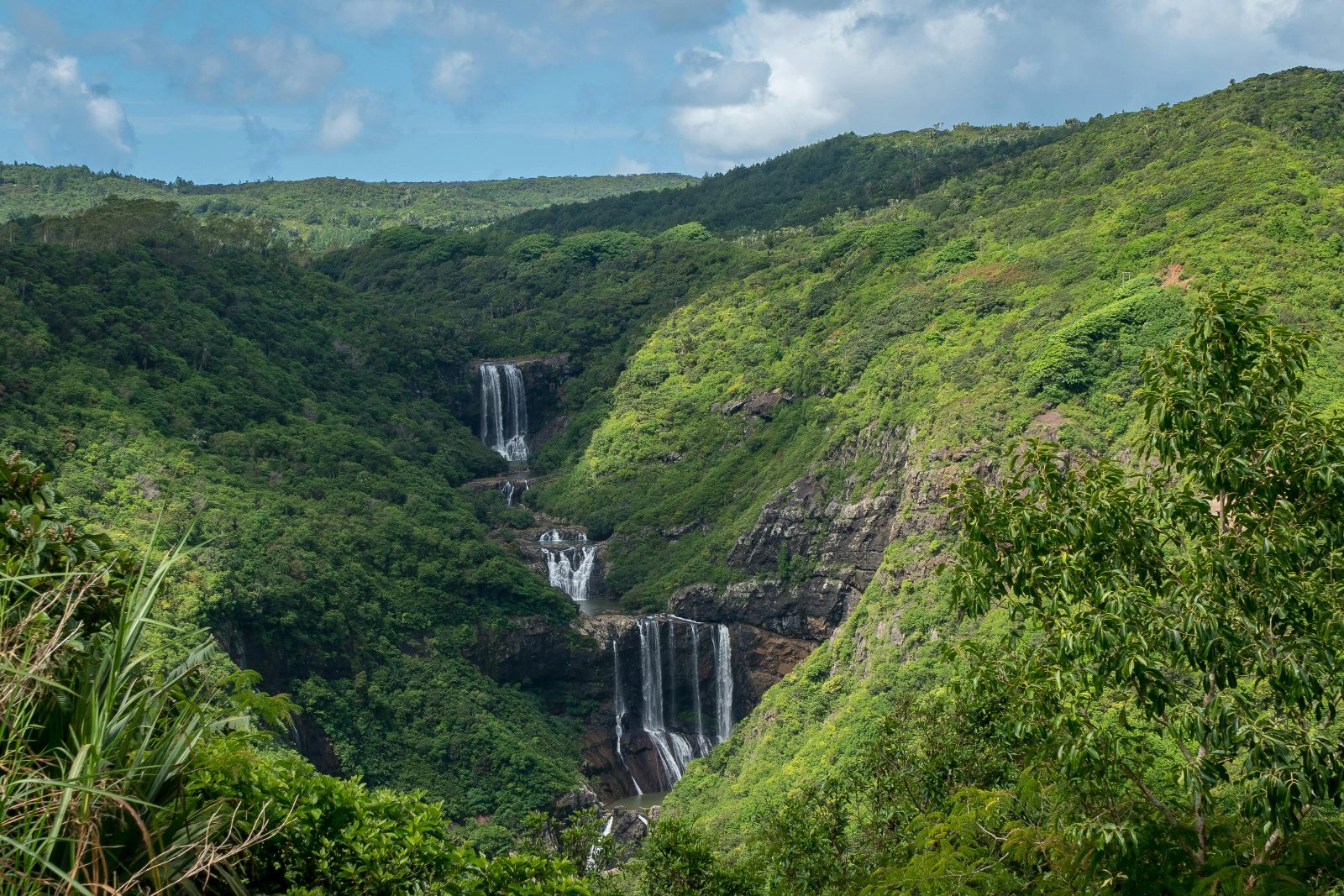
Tamarind Falls sits in a volcanic river canyon where the Tamarin River drops through seven tiers of basalt, each cascade separated by pools deep enough to swim in. The trail is not a maintained boardwalk—it's a steep descent over exposed roots, loose volcanic scoria, and algae-covered boulders that stay slick even in dry months. What you wear determines whether you move confidently or spend the hike compensating for poor traction and overheating. Fabric choice matters more than brand. Synthetic blends and merino wool wick moisture and dry in minutes when you move between shaded forest and open sun. Cotton absorbs water, stays heavy, and takes hours to dry—problematic when you're crossing thigh-deep sections of the river or standing in the mist curtain below the main cascade. A long-sleeve rashguard or lightweight hiking shirt provides sun protection without trapping heat, and convertible pants or board shorts allow you to adjust coverage as the trail alternates between mud, rock scrambles, and waist-deep pools. Footwear is the single most consequential decision for Tamarind Falls. The descent requires grip on wet basalt, support on uneven volcanic rock, and drainage after river crossings. Hiking sandals with toe protection and deep lugs work well for experienced hikers; closed-toe water shoes or trail runners with aggressive tread are safer for most visitors. Flip-flops and smooth-soled sneakers cause slips on the approach path and become dangerous on the descent to the lower falls. Your shoes will get completely wet—choose a pair that performs when soaked, not one you hope to keep dry. Accessories solve specific problems. A wide-brim hat blocks equatorial sun on the exposed upper trail, and polarized sunglasses reduce glare off the water when navigating river crossings. Reef-safe sunscreen should be reapplied after swimming, and a small dry bag keeps your phone and any cash protected during crossings. The trail has no facilities, no signage, and no shade at the canyon rim—what you carry is what you have. Lightweight, quick-dry, and built for wet conditions: that's the clothing formula that matches the environment you're actually walking into.
“The trail is not a maintained boardwalk—it's a steep descent over exposed roots, loose volcanic scoria, and algae-covered boulders that stay slick even in dry months.”
Pack light but purposefully — the right gear keeps you comfortable on slippery descents and ready to swim beneath the falls.
The rocky, often muddy trail demands proper footwear and clothing. These errors turn the descent into a hazard.
Wearing flip-flops or sandals on wet rock
The trail includes steep, slippery sections over exposed roots and algae-covered boulders. Closed-toe hiking shoes or trail runners with deep tread are required for grip and ankle protection.
Choosing cotton T-shirts and denim shorts
Cotton holds water and causes chafing during creek crossings and under humidity. Synthetic or merino layers dry faster and move with you on scrambles.
Hiking in brand-new boots without breaking them in
Stiff, untested footwear guarantees blisters on the 7,000-step descent. Wear your boots on at least two shorter walks before attempting Tamarind Falls.
Overdressing in heavy jackets or jeans
The tropical heat and exertion will soak heavy fabrics within the first kilometer. Lightweight, breathable layers let you regulate temperature and dry quickly after wading through shallow pools.
Navigating the dense vegetation and humid environment of Tamarind Falls requires specific attention to fabric choices and equipment protection.
Choose synthetic, breathable trousers to protect your legs from sharp grasses and sugarcane edges often found along overgrown paths. Avoid cotton, which retains moisture and becomes heavy in the humid canyon environment.
Waterproof your camera and phone in a roll-top dry bag rather than relying on standard backpacks. Even if you do not plan to swim, accidental slips near waterfall spray occur frequently.
Consider a lightweight, long-sleeved hiking shirt to minimize scratches from thick brush and low-hanging branches. This layer also provides consistent sun protection during exposed sections of the trail.
Wear a vest or clothing with secure, zippered pockets to keep small essentials accessible without needing to remove a pack. Keeping your hands free is important for maintaining balance on slippery sections near the water.
Wear synthetic or wool-blend hiking socks to prevent blisters caused by wet footwear. Changing into a dry pair immediately after finishing your hike prevents skin irritation from prolonged dampness.
Planning your hike during the dry season and adhering to the 08:00–11:00 arrival window ensures manageable temperatures and better trail visibility for your trek at Tamarind Falls.
Dry, mild, 20°C–25°C
This period offers reduced rainfall, resulting in less muddy trails and improved footing.
Humid, rainy, 25°C–30°C
Expect frequent tropical showers and higher humidity, which increases the likelihood of slippery terrain.
—
Arriving during this morning window helps you avoid the midday heat and ensures you complete your hike with better visibility.
Verdict: The most favorable conditions occur between May and November with an arrival time between 08:00 and 11:00.
Tamarind Falls is located in the southwest of Mauritius. The most accessible starting point for hikers is the trailhead situated at Henrietta Branch Road, Vacoas-Phoenix.
Line 160 or 161 to Henrietta Terminus
Drive via B2 to Henrietta Branch Road
Direct to Henrietta Branch Road
For the best experience, plan your arrival between 08:00–11:00 to avoid midday heat. If driving, ensure you park safely near the designated trailhead markers on Henrietta Branch Road before meeting your guide.
Tamarind Falls is a public natural site with no official admission charge. Your primary expense depends on whether you choose to hire a local guide for navigation and safety.
Verdict: A typical adult pays 0 MUR for entry, though hiring an optional local guide will incur a personal service fee.
Everything you need to know about what to wear to a waterfall hike
For your Tamarind Falls experience, prioritize moisture-wicking synthetic fabrics that dry quickly. Knowing what to wear to a waterfall hike involves layering so you remain comfortable in the humid tropical environment of Mauritius.
Sturdy footwear with good grip is essential because the terrain involves slippery volcanic rock and mud. Wearing proper gear as part of what to wear to a waterfall hike significantly reduces the risk of slips during your descent into the canyon.
Yes, carrying a dry bag is highly recommended to protect your electronics and spare clothes from waterfall spray. This simple addition to what to wear to a waterfall hike ensures your belongings stay safe while you enjoy the pools.
While active children can enjoy the trails, the terrain is uneven and steep in sections. Families should plan carefully regarding what to wear to a waterfall hike to ensure children have the stability needed for the rocky path.
The best arrival window is 08:00–11:00 to avoid midday heat and ensure good trail visibility. Arriving within this timeframe also improves safety by giving you ample daylight to navigate the canyon.
Tamarind Falls is a public natural site, and the entrance fee is 0 MUR (Free entry). You do not need to pay to access the trails, though some visitors choose to hire a guide for navigation.
Many hikers fail to check their footwear grip or carry sufficient water for the steep return climb. Proper preparation and understanding what to wear to a waterfall hike will help you avoid these common logistical oversights.
Tamarind Falls Hiking Trail Start Point
Read more GuideTamarind Falls Hike Difficulty & Safety
Read more Tickets & toursBook a Tamarind Falls Guided Tour
Read more GuideTamarind Falls Entrance Fees & Costs
Read more GuideHow to Get to Tamarind Falls
Read more GuideCan You Hike Tamarind Falls Without a Guide?
Read more GuideTamarind Falls Hiking Trail Map & Route
Read more